노먼 레브레히트 칼럼 | SINCE 2012
영국의 노 평론가가 보내온 세계 음악계 동향
공연장에서의 난투는 끝났다
그 옛날, 독기에 찼던 관객들은 모두 어디로 갔는가?
과거 이스라엘 텔아비브에서 강연을 마치고 내려온 내게 한 남성이 다가와 이렇게 말했다. “방금 당신이 언급한 말러에 관한 내용 때문에 당신을 쏴버리고 싶소.”
그의 허리춤에 보이는 불룩한 실루엣에 꽁무니를 내뺐지만, 사실 나는 속으로는 다소 만족스러웠다. 살해 협박 때문이 아니라, 음악에 대한 그 사람의 주체 못할 열정 때문에 말이다.
말러 교향곡을 둘러싼 난투극
당시는 상당한 열정을 지닌 음악애호가를 찾는 게 어렵지 않은 시절이었다. 영국 리버풀의 한 화장실에서 덩치 큰 남성 둘이 말러 교향곡 6번의 악장 순서를 놓고 싸우는 모습을 본 적도 있다. 꽤나 심원한 논쟁이었지만, 세상에는 별별 사람이 다 있는 법이다. 나는 두 사람을 말리며 말러가 ‘격렬하고 박력 있는’ 1악장에 이어서 또 무자비한 스케르초로 갈지, 되레 부드러운 안단테로 갈지 결정하지 못한 것이라 설명했다. 말러는 둘 다 해보고 여지를 남겨 두었지만, 지나치게 따져 댔던 그의 출판인들이 고정된 순서를 부여해 버렸다. 이제 지휘자들은 대부분 내키는 대로 지휘를 하고, 청취자 중 소수만이 굳이 순서를 두고 논쟁한다.
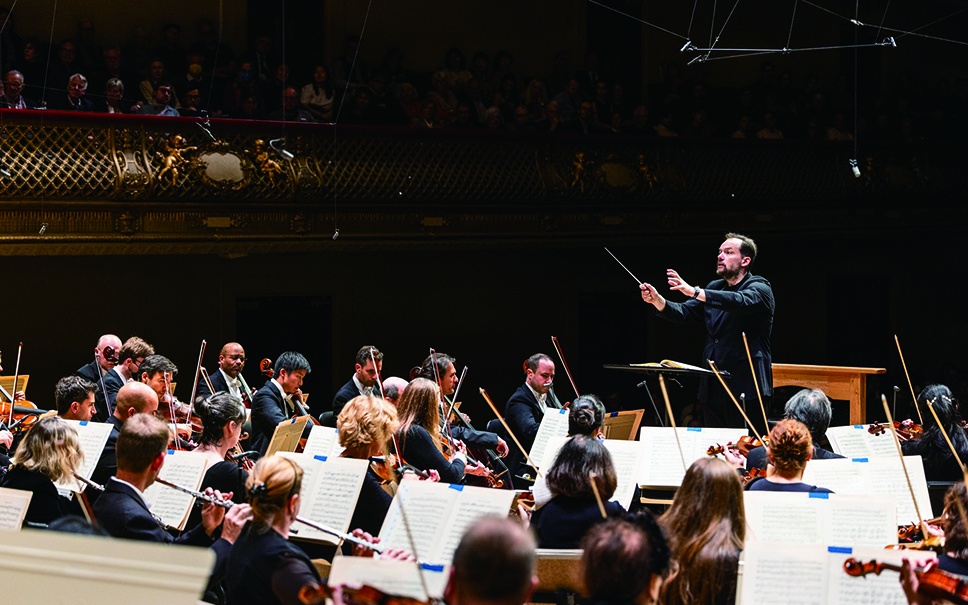
최근에 만석을 채운 영국 로열 앨버트홀에서 바실리 페트렌코와 로열 필하모닉 오케스트라가 선보인 기가 막힌 말러 교향곡 6번 공연에 다녀왔다. 이들은 안단테를 먼저, 스케르초를 그다음으로 연주했다. 마지막 악장이 끝나자 3분가량의 열렬한 박수갈채가 이어졌고, 이내 관객은 버스며 식당으로 달려 나갔다. 나는 우두커니 객석에 앉아 생각했다. “끝난 건가?”
한 번은 구스타보 두다멜이 이렇게 물었다. “말러 교향곡 6번이 끝나면 뭘 할 수 있을까요? 끝나고 식사를 가는 건 맞지 않아 보여서요.” 그 말에 나는 관객에게 월트디즈니홀에서 심리 치료를 해주는 것은 어떨지 제안했다. 200여 명의 사람들이 남아서 50분간 희망이 부재한 말러의 세계관에 대해 고찰하는 시간을 가졌다. 그 결과 술집 매출은 급감했고, 내가 알기로 해당 세션은 다시는 열리지 않았다.
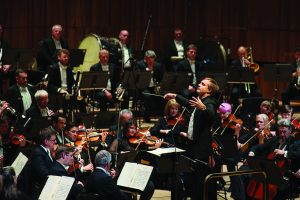
바실리 페트렌코/런던필 ©Andy Paradise
음악을 멈추라며, 호루라기를 불기도
교향곡 6번은 관객이 공연에 대해 반응하고 감정을 표출하던 게 당연하던 1914년 이전 시대의 곡이다. 스트라빈스키의 ‘봄의 제전’ 첫 공연이 열린 프랑스 샹젤리제 극장에서는 불안한 바순, 과격한 리듬, 시골 처녀들의 희생이라는 요소에 난장을 치던 관객으로 인해 공연이 중단된 유명한 일화도 있다.
쇤베르크의 현악 4중주 2번 공연에서 무조음악 연주 도중 빈의 관객이 보여줬던 반응 역시 그 못지않다. 무조음악으로 인해 문명이 위기에 처한 것이 두려웠던 후원자들은 집 열쇠를 호루라기 마냥 빽빽 불어댔다. 쇤베르크의 후원자였던 말러가 나서서 조용히 하라고 외쳤지만, 어떤 남성은 이렇게 응수하기도 했다. “당신 교향곡에서도 불어주지.” 이를 보면, 당대 관객의 반응이 당연하고도 이치에 맞는 행위라는 걸 알 수 있다. 쇤베르크 작품의 영국 런던 공연에서도 관객 3분의 1은 야유했고, 3분의 1은 폭소했고, 나머지 3분의 1은 “너무 당황한 나머지, 둘 다 하지 못했다”라고 평론가 어니스트 뉴먼(1868~1959)이 기록한 바 있다. 조용한 사색의 공간이라는 공연장의 이미지는 현대에 와서야 구축된 것이다.
파리에서 리사이틀을 선보인 에릭 사티는 장내를 돌아다니며 관객에게 크게 떠들라고 부추겼다. 사티의 미학을 따르던 다섯 명의 젊은 작곡가가 공동으로 작곡한 발레 작품 ‘에펠탑의 신랑 신부’는 주먹다짐과 경찰봉으로 끝을 맺었다. 해당 작품이 파리지앵들의 자부심이자 남근의 상징인 에펠탑을 풍자했기에, 후원자들은 조상들이 바스티유 감옥을 습격했을 때처럼 격렬히 들고 일어났다.

‘봄의 제전’ 초연(1913)
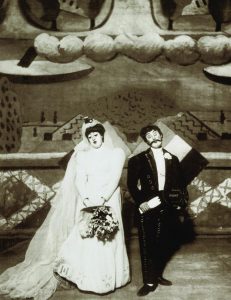
‘에펠탑의 신랑 신부’ 초연(1921)
독기는 빠지고, 고루해진 공연장
두 차례의 세계대전을 거치며 음악계를 뒤흔들던 격렬한 논쟁의 시대는 막을 내렸다. 1945년 파리에서 학생 신분이던 피에르 불레즈는 ‘반동주의자’ 스트라빈스키에 맞서 시위를 주도했다. 당시에는 별다른 주목을 받지 못했지만, 훗날 불레즈가 급진적 현대음악의 상징적 인물로 떠오르면서 이 사건도 전설처럼 회자되었다.
그는 관객을 바닥에 앉히고 공연 후 집단 분석을 시도했으며, 이는 한두 시즌 정도 이어졌다. 또한 오페라하우스를 불태워야 한다고 촉구했지만, 별다른 효과는 없었고, 모차르트 지휘를 거부하기도 했다. 그러던 어느 날 퐁피두 전 프랑스 대통령이 불레즈가 좀처럼 거절하기 어려운 제안을 내놓았다. 바로 퐁피두센터의 중심에 이르캄(IRCAM, 프랑스 전자음악연구소)을 설립하자는 제안이었다. 하지만 최근에 퐁피두센터에 가본 적이 있는가? 이제 바스티유 감옥은 오페라하우스로, 이르캄은 가상 미술관으로 탈바꿈했으며, 불레즈는 팡테옹의 일원이 되었다.

오페라 바스티유
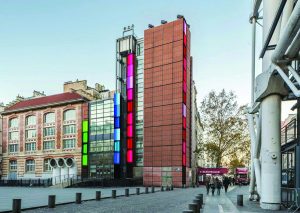
퐁피두센터 맞은편의 프랑스 전자음악연구소 ©AROTIN SERGHEI
그런 감정은, 꿈은, 열정은 어디로 가버린 것인지 궁금하다. 우리의 공연장에서 소리와 분노는 어쩌다 추방되었는가. 베토벤 교향곡 9번은 언제부턴가 금융권 엘리트들이 붉은 벨벳 펜스와 금속 기둥 뒤에서 샴페인을 홀짝이는 나비넥타이 만찬장의 일부가 되었나. 한때 풍부한 반응으로 소통하던 관현악 예술이 언제, 어떻게, 대체 왜 이토록 고루해졌단 말인가?
도시 관객의 고령화는 공연장에서 독기가 사라진 현상을 어느 정도 설명해 준다. 노년층이 익숙한 것을 찾는 반면, 젊은 세대는 이를 고루하게 여긴다. 이제 말러 교향곡 6번이나 불레즈의 ‘플리 슬롱 플리’ 공연은 더 이상 매력적인 데이트 코스로 받아들여지지 않는다.
편협한 반응에 훈련된 관객들
하지만 더 교묘한 조작이 이뤄지는 부분도 있다. 우리는 음악이 마음을 편하게 해주고, 기쁘게 만들어 주며, 긴장을 풀어주고, 기분을 좋게 만든다고 낮으로 밤으로 웅얼거리는 클래식 음악 라디오를 배경처럼 듣고 있다.
“아름답지 않습니까?” 영국 클래식 FM과 BBC 라디오3, 프랑스 뮈지크, 독일 바이에른 방송에 늘 등장하는 멘트다. 라디오 음악은 중립적이고 정중하며 공손하다. 광고주에게 소외감을 느끼게 하면 안 되고, 예술가의 자아를 다치게 해서도 안 되며, 요양원에서의 소란을 야기해서도 안 된다. 방해하거나 흐름을 끊어서도 안 되고, 도전해서도, 괴롭게 해서도 안 된다.
데이비드 먼로(1942~1976, 지휘자·음악학자·방송인)나, 라인베르트 데 레우(1938~2020, 지휘자·피아니스트·작곡가) 같은 도발자와 자극제 같은 인문들의 시대는 지났다. 클래식 음악 라디오 방송은 생방송이든 녹화본이든 관현악의 분위기를 바꿔 놓았다. 새로운 분위기는 만족스럽고, 과거로 돌아갈 일은 없다. 그게 바로 공연장 복도에서 더 이상 싸우지 않는 이유이기도 하다.
관객은 멍청해졌고 편협한 라디오식 반응에 훈련되어 버렸다. 유일하게 가능한 항의라고는 조용히 매우 일찍 자리를 뜨는 것이다. 클립보드를 든 공연장 안내원은 물어볼 것이다. “브루크너 교향곡 9번은 어떠셨나요?” “좋았어요.” “봄의 제전은요?” “훌륭하더군요.” “말러 교향곡 6번은요?” “굉장했죠.”
번역 evener
Norman Lebrecht Column
노먼 레브레히트 칼럼의 영어 원문을 함께 제공합니다.
본 원고는 본지의 편집 방향과 일치하지 않을 수 있습니다.
As I stepped down from a lectern in Tel Aviv, a man came up to me and said: ‘For what you just said about Mahler I could shoot you.’
Seeing a sidearm bulge at his hip, I took evasive action, but part of me was rather gratified – not so much by the death threat as by the man’s crazed passion for music.
Back then, it wasn’t unusual to find music lovers with strong feelings. I saw two portly chaps squaring up in a Liverpool lavatory over the order of movements in Mahler’s sixth symphony, a fairly esoteric cause but it takes all sorts. I stepped in and calmed them down, explaining that Mahler could not decide whether the ‘violent, vigorous’ opening movement should be followed by a no-less relentless Scherzo or, alternately, by the gentle Andante.
Mahler tried both ways and left the matter open. His publishers, pedantic to a fault, prescribed a fixed order. Conductors do mostly as they please and few listeners bother to discuss it.
I recently attended a shattering account of the sixth by Vasily Petrenko and the Royal Philharmonic Orchestra in a well-filled Royal Albert Hall. They played the Andante before the Scherzo. The conclusion received a voluminous ovation, all of three minutes, before everyone raced for their buses and restaurant reservations. I sat there thinking, is that it?
Gustavo Dudamel once asked me: ‘What can we do after the sixth symphony? It seems wrong to go out to eat.’ I proposed giving an audience psychotherapy session at Walt Disney Hall. Some 200 people stayed behind for 50 minutes to reflect on Mahler’s vision of a world without hope. The bar takings crashed and, so far as I know, the session was not repeated.
The sixth symphony belongs to a pre-1914 era when audiences were expected to vent feelings, to react to what they heard. Igor Stravinsky’s Rite of Spring was famously disrupted at the Theatre du Champs Elysées by customers who had been blasted out of their comfort zone by a wonky bassoon, blistering rhythms and the sacrifice of bucolic virgins.
No less responsive was the Vienna audience that heard Arnold Schoenberg’s second string quartet go off the tonal scale. Fearing that civilisation was in peril, patrons used house keys as improvised whistles. Gustav Mahler, Schoenberg’s patron, shouted at them to shut up. ‘I whistle your symphonies too,’ replied one man. From which I deduce that audience response was common at that time, even normative. When Schoenberg was heard in London, the critic Ernest Newman noted that one-third of the hall hissed, one-third laughed and the remainder were ‘too puzzled to do either’. The image of a concert hall as a place of silent contemplation is a modern construct.
In Paris, Erik Satie wandered around recitals of his music, urging people to talk loudly among themselves. A ballet by five Satie apostles, Les mariés de la tour Eiffel, ended in punch-ups and police batons. The piece tilted at a phallic symbol of Parisian pride. Patrons were aroused in much that same way as their ancestors had been when they stormed the Bastille.
Two world wars put an end to the fun. A 1945 Paris demo against the ‘reactionary’ Stravinsky, led by the student Pierre Boulez, made no headlines at the time, entering legend only once Boulez gained radical-chic celebrity. Boulez tried sitting audiences on the floor and engaging in post-concert group analysis. That lasted maybe a season or two. He called for opera houses to be burned down, to little avail. He refused to conduct Mozart. One day President Pompidou called with an offer he could not refuse – an Institute for Research and Co-ordination in Acoustics and Music in the bowels of Centre Pompidou. Been there recently? The Bastille is now an opera house, IRCAM a virtual museum and Boulez a member of the Pantheon.
Where, I wonder, did the emotion go, the dreams and the passion? How did the sound and the fury vanish from our halls. When did Beethoven’s Ninth become a black-tie enclave where financial elites sip champagne behind red velvet ropes and metal stanchions? When, how and why did the once-responsive art of orchestral music become so bloody safe?
The aging of the urban audience accounts to some degree for loss of venom. The elderly seek familiarity; the young hold it in contempt. It is not cool to take a date to a Mahler sixth, or even a Boulez Pli selon pli. Orchestral concerts are a mature recreation, like bowls.
But there is a more insidious manipulation at work. We are exposed to a backdrop of classical radio that burbles, all day and through the night, that music exists to ease, to please, to dispel tension, to make us feel good.
‘Wasn’t that wonderful?’ is the stock back-chat on Classic FM and BBC Radio 3, on France Musique and Bayerische Rundfunk. Music is neutered on radio, made polite and deferential. It must not alienate advertisers, bruise artist egos or prompt a Zimmer-frame riot in care homes. It does not disturb or interrupt, challenge or distract. Gone are the provocateurs and stimulators, the David Munrows and Reinbert De Leeuws. Classical radio has reset the tone of orchestral music, live or late. The new setting is nice. There is no comeback to a warm flannel.
That’s why you don’t get fights any more in concert aisles. The audience has been lobotomised, reprogrammed to a narrow set of radio responses. The only available protest is to leave early, very quietly. A clipboard usher asks: what did you think of Bruckner’s ninth? Lovely. Rite of Spring? Charming. Mahler Sixth? That was nice.
글 노먼 레브레히트
영국의 음악·문화 평론가이자 소설가. ‘텔레그래프‘지, ‘스탠더즈‘지 등 여러 매체에 기고해왔으며, 지금 이 순간에도 자신의 블로그(www.slippedisc.com)를 통해 음악계 뉴스를 발 빠르게 전한다