노먼 레브레히트 칼럼 | SINCE 2012
영국의 노 평론가가 보내온 세계 음악계 동향
토블라흐에서 말러를 만나다
죽음이 드리웠던 그의 숨결을 가장 가까이 마주했던 곳에서
옛날 옛적에는 신문사에서 알고 지내면 가장 좋은 사람이 여행 담당 기자였다. 어느 저녁, 여행 코너 마감을 준비하던 중 구스타프 말러가 어떻게 음악에 풍경을 녹여냈는지에 대해 ‘선데이 타임스’의 명민한 기자 크리스틴 워커와 이야기를 나누게 되었다. 내가 기획서를 내기도 전에 크리스틴은 말러에게 영감을 준 장소들을 돌아보는 긴 여행을 떡하니 예약해 주었다.
그리하여 나는 체코 이흘라바 인근 모라비아 지방의 숲속 통나무 위에 앉아 바람이 나무 꼭대기를 스치며 말러 교향곡 1번을 여는 A음을 연주하는 소리를 듣게 되었다. 말러가 교향곡 2·3번을 쓴 오스트리아 잘츠부르크 지역 내 슈타인바흐의 얼음장 같은 아터 호수에서 수영도 했다. 말러였다면 아침 식사 전에 호수를 이미 왕복했겠지만 나는 절반쯤 가다 포기했다.
오후가 되면 말러는 산에 올랐다. 자신을 찾아온 열정적인 제자 브루노 발터에게 이렇게 말하기도 했다. “산봉우리는 신경 쓰지 말게, 내가 이미 악보에 다 넣어 두었으니.” 그는 지형과 창작 사이의 관계에 대해 역설하기를 즐겼다.
빈 슈타츠오퍼에서 음악감독을 수행하던 1900년, 말러는 오스트리아 뵈르터 호숫가의 마이어니히에 별장을 짓기 시작했다. 근처에는 그가 아끼던 유명한 소프라노 안나 폰 밀덴부르크(1872 ~1947)가 살았다. 극장 직원들은 기차를 타고 서명이 필요한 서류와 감독의 중재가 필요한 문젯거리를 들고 먼 길을 오갔다. 새벽 5시에 말러는 책상 앞으로 보이는 호수의 잔잔한 수면을 뒤로 하고 가파른 경사를 올라 숲속 오두막집으로 향했다. 7시경엔 가정부가 아침 식사 쟁반을 들고 비탈진 언덕길을 올라왔는데, 오는 길에 커피를 쏟아 빵이 젖기라도 하면 큰일이 벌어졌다. 교향곡 5~8번은 이곳에서 탄생했다.
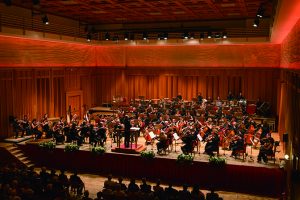
그랜드 호텔을 재건한 구스타프 말러 콘서트홀 ©Kulturzentrum Toblach
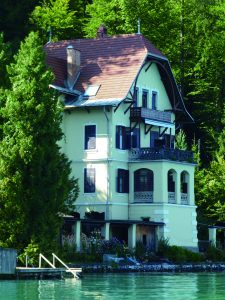
마이어니히의 별장 ©Mahler Foundation
절망 속에서 마주한 토블라흐의 자연
1907년 여름, 네 살배기 딸아이의 죽음으로 절망한 말러는 기차를 타고 알프스 돌로미티 산맥의 토블라흐 인근 슐루더바흐로 향했다. 심장병으로 죽을 수도 있다는 경고를 받은 후에 일상의 원동력이 되어 준 등산과 수영을 그만둬야 했던 그는 1908년부터 여름마다 머물렀던 산속 초원에 자리한 오두막에서 더는 자신이 오를 수 없는 산봉우리를 바라보기만 했다. 탄식 어린 체념을 네 차례 토해내며 시작하는 교향곡 9번은 토블라흐의 말러를 닮았다. 곡은 이내 어두워진다.
그러다 말러의 아내 알마가 건축가 발터 그로피우스와 사랑에 빠졌다. 말러는 그로피우스가 교각 밑에 숨어 있는 것을 보고 그를 집으로 데려오는데, 이때 깊은 인상을 받은 그로피우스는 말러 교향곡 7번의 공연 표를 사기도 했다. 고독한 죽음을 예감한 말러는 불안함에 떠밀려 심리학자 지그문트 프로이트에게 상담을 받기도 했다. 프로이트는 아내의 외도를 무시하라고, 알마가 그를 떠날 일은 없다고 말해 주었다.
그의 교향곡 10번에는 ‘연옥(Purgatorio)’이라 불리는 3악장이 있다. 4악장은 심지어 더욱 섬뜩하다. 말러는 제자 발터에게 오두막에서 작곡을 하던 도중 먹잇감을 쫓던 독수리가 창문을 깨고 들어와 공포에 질려 돌처럼 굳었던 자신의 일화를 들려주었다.(폭우를 피하느라 잠시 그 오두막 안에서 서성인 적이 있는데, 독수리가 들어오기엔 너무 작았다. 아마 새매 정도였을까.)
초고가 거의 완성됐으나 끝내 미완으로 남은 교향곡 10번에는 죽음의 기운이 가득하지만 이는 물결치는 지상의 아름다움으로 경감된다. 말러는 우체국까지 매일 산책하며 돌아오는 길에 호텔에 들러 커피와 케이크로 요기를 했다. R. 슈트라우스 부부가 저녁 식사를 하러 오기도 했는데, 아내 파울리네 슈트라우스가 성을 내면 알마가 이에 맞섰다. 1910년 9월 돌로미티를 떠난 말러는 8개월 뒤 50세의 나이로 생을 마감했다. 토블라흐는 말러가 마지막 창작 활동을 한 곳이었다. 나는 세상 어느 곳보다 토블라흐의 그 오두막에서 말러를 가깝게 느낀다.
말러가 남긴 자취를 밟으며
지난 여름, 오랜만에 토블라흐에 다녀왔다. 말러가 머물렀던 숙소는 여전히 같은 가문의 소유였지만 관광객의 출입을 막고, ‘말러가 이곳에 머물렀다’는 명판을 작은 동물원으로 향하는 화살표 안내판으로 덮어 놓았다. 한때 작곡가의 오두막에 그늘을 드리웠던 나무는 베어졌고, 부지에는 울타리가 세워졌다. 과거 어느 여름에는 그 오두막이 보이스카우트 취사장으로 사용되기도 했다. 토블라흐 쪽에서 조치를 취하기 전에 영국 대영박물관으로 오두막을 이전하자는 제안이 나오기도 했었다.
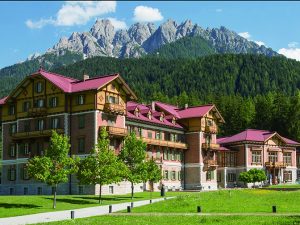
이탈리아의 자치 지역 남티롤은 기차역 근처에 방치됐던 그랜드 호텔을 재건해 500석 규모의 공연장으로 탈바꿈시켰다. 7~8월에 이 언덕은 말러의 음악으로 활기가 넘친다. 지역의 중심 도시 볼차노와 베토벤의 고향인 독일 본에서 온 두 오케스트라가 등산객, 자전거족, 멀끔한 차림의 지역 주민을 위해 교향곡을 연주한다.
공연을 보기 위해 해발 2,000미터 이상의 고지대에 위치한 유명 산악인 라인홀트 메스너(1944~)의 이름을 딴 ‘라인홀트 메스너 하우스’로 올라가기도 했다. 메스너는 베토벤 교향곡 6번 악장 사이사이에 신의 창조성에 비해 보잘것없는 인간 존재에 대해 설파했으나, 그의 의견은 뒤이어 나온 음악으로 반박되었다.
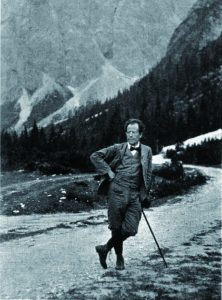
토블라흐의 말러 ©Mahler Foundation
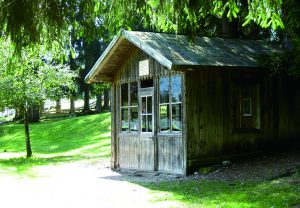
토블라흐의 오두막
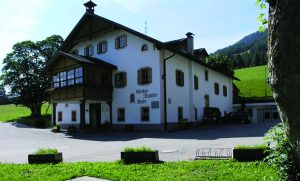
말러가 거주한 토블라흐의 농가
자연 속에 존재해야 할 말러의 교향곡
토블라흐에서는 말러 교향곡 1·4번을 감상했다. 연주도 괜찮았고 해석도 나무랄 데가 없었다. 하지만 그 분위기가 주는 강렬한 영향으로 인해 비판적 상대주의라는 내 역할을 단박에 잊어버리고 말았다.
지금껏 나는 산악 지대의 천둥소리와 그토록 흡사한 더블베이스와 팀파니 소리를 들어본 적이 없다. 개울마냥 졸졸 흐르는 오보에 소리를 들어본 적도 없다. 말러가 교향곡 4번 피날레에 적어둔 ‘패러디 없이’라는 지시가 이 교향곡을 관광 명소가 그려진 엽서처럼 받아들이지 말라는 뜻임을 그만큼 절실하게 인지한 적도 없다. 오히려 그의 교향곡은 자연을 경탄의 대상으로 본 베토벤과 대비되며 자연보호의 필요성에 대해 경고하는 의미를 지니고 있다.
공연 애호가라면 죽기 전에 한 번쯤은 말러의 근원지라 할 수 있는 곳에서 그의 음악을 들어봐야 한다. 나무 의자에서 풍겨오는 소나무 향에서부터 휴식 시간에 번쩍이는 번개에 이르기까지, 우리의 감각은 모든 음악의 근원, 즉 ‘대지의 노래’를 향해 날카롭게 깨어난다. 이곳에는 음악의 동기들이 살아 숨 쉰다. 우리가 말러에게서 배울 교훈이 있다면 그건 바로 교향곡이 존재할 곳은 도시의 벽들 사이가 아니라는 점이다. 그의 행보처럼 교향곡을 듣기 위해 더 많이 밖으로 향해야 한다.
번역 evener
Norman Lebrecht Column
노먼 레브레히트 칼럼의 영어 원문을 함께 제공합니다.
본 원고는 본지의 편집 방향과 일치하지 않을 수 있습니다.
Back in the day, the best person to know on a newspaper was the travel editor. One evening when the section had been put to bed, I fell chatting to the Sunday Times’s brilliant Christine Walker about how Gustav Mahler turned landscape into music. Before I could put a proposal on paper, she was booking me on a grand tour of Mahler’s topographical inspirations.
I wound up sitting on a log in a Moravian forest near the Czech town of Jihlava, listening to the wind in the treetops singing the A that opens Mahler’s first symphony. I swam in the ice-clear Attersee at Steinbach, in the Salzburg region, where the second and third symphonies were composed. Mahler would cross the lake and back before breakfast. I gave up halfway.
Afternoons, he climbed mountains. When his ambitious assistant Bruno Walter came to visit, Mahler said to him ‘don’t bother with those peaks – I have composed them away (wegkomponiert).’ He liked to emphasize the connection between terrain and creation.
As director of the Vienna Opera, he built a house in 1900 at Maiernigg on the Wörthersee, a few plots away from his star soprano, Anna Mildenburg. Opera staff shuttled back and forth by train with forms to sign and conflicts for him to resolve. At five a.m. Mahler climbed a vertical slope to his forest hut, from where all he saw from his desk was the flat surface of the lake below. At seven, a maid would mount the steep hill with his breakfast tray and woe betide if she spilled his coffee on the toast. Symphonies five to eight were conceived here.
Shattered by his four year-old daughter’s death in summer 1907, Mahler caught a train south to the village of Toblach in the Dolomites. Warned that he could die of a cardiac defect, he gave up the hikes and swims that had been his daily invigoration. From a hut on a mountain meadow, he gazed at peaks he could no longer conquer. The ninth symphony opens with four exhalations of sighed resignation. That was Mahler in Toblach mood. It soon darkened.
His wife, Alma, had taken a lover, the architect Walter Gropius. Mahler found Gropius hiding under a bridge, brought him home and made such an impression that the young man bought tickets to his seventh symphony. Anxious that he might die alone, Mahler went to see Sigmund Freud for therapy. Freud told him to ignore the affair; Alma, he said, would never leave him.
His tenth symphony has a third movement, ‘Purgatorio’. The fourth movement is even more chilling. Mahler told Walter that he was composing in the hut when an eagle, chasing prey, smashed through the windowpane, paralysing him with terror. (The hut, which I paced while taking shelter from a cloud burst, is too small to contain an eagle; a sparrowhawk, maybe).
The near-finished symphony is filled with premonitions of death, mitigated by undulating earthly beauty. Mahler strolled each day to the post office and back, stopping at a hotel for coffee and cake. The Richard Strausses came for dinner. Pauline Strauss threw a tantrum. Alma threw one back. Mahler left the Dolomites in September 1910 and was dead eight months later, aged 50. Toblach was his last creative effort. I feel closer to him in that hut than anywhere else on earth.
This summer I returned to Toblach after a long absence. The inn where Mahler lodged still belongs to the same family, but they deny access to tourists and have pasted over a ‘Mahler was here’ plaque with an arrow to a mini-zoo. The trees that once shaded the composing hut have been felled and the site fenced in. One summer, the hut was used as a cook-house for a boys’ camp. A proposal was made to move it to the British Museum before Toblach took action.
The South Tyrol, an autonomous region of Italy, restored a broken-down Grand Hotel beside the rail station and furnished it with a 500-seat concert hall. In July and August, the hills come alive to the sound of Mahler. Two orchestras, one from the regional capital Bolzano, and the other from Beethoven’s Bonn, play symphonies for an audience of hikers, bikers and smartly-dressed locals.
I ascended to one concert at two thousand-plus metres, in the eyrie of the famed explorer Reinhold Messner, who expounded man’s insignificance amid God’s creation in between movements of Beethoven’s sixth symphony. His theory was duly refuted by the music.
In Toblach, I heard Mahler’s first and fourth symphonies. The performances were competent and the interpretations unexceptionable. What catapulted me out of my default role of critical relativism was the impact of ambience.
Never have I heard double-basses and timpani so closely resemble mountain thunder. Never has an oboe trickled like a brook. Never was I so keenly aware that when Mahler jots ‘without irony’ on the fourth symphony finale what he is telling us that his symphonies are not picture postcards of a tourist attraction. Rather, they exist as a counterpoint to Beethoven’s simple adoration of nature, adding an admonitory subtext of the need to protect the environment.
Hearing Mahler in his sources is something every concertgoer should try before he dies. From the scented pine in a wooden seat-back to the flash of mid-interval lightning, one’s senses are on high alert to the primal source of all music, to the song of the earth. The motifs here are organic. If there is one moral we take from Mahler it is that symphonies do not belong between town walls. Like Mahler, we need to get out more to hear them.
글 노먼 레브레히트
영국의 음악·문화 평론가이자 소설가. ‘텔레그래프‘지, ‘스탠더즈‘지 등 여러 매체에 기고해왔으며, 지금 이 순간에도 자신의 블로그(www.slippedisc.com)를 통해 음악계 뉴스를 발 빠르게 전한다