노먼 레브레히트 칼럼 | SINCE 2012
영국의 노 평론가가 보내온 세계 음악계 동향
마르티누에서 알캉, 시벨리우스까지. 2026년을 기억하게 할 음반들
세 장의 음반이면 충분하다!
올해의 베스트 음반을 선정하기에는 다소 이른 감이 있지만, 세 장의 음반이 말 그대로 판도를 뒤흔들 만하다. 이 음반들은 세월의 검증을 견뎌낼 것이라 믿어 의심치 않기에, 마땅히 2026년 ‘올해의 음반’으로 선정하고 싶다.
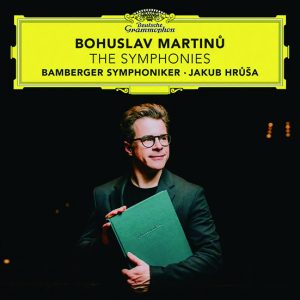
‘마르티누: 교향곡 전집’
DG 4867810
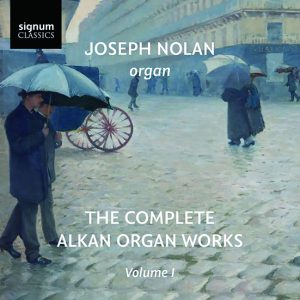
‘알캉 오르간 작품 전집’
Signum SIGCD982·983
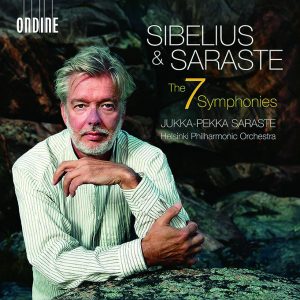
‘시벨리우스&사라스테: 7개의 교향곡’
Ondine ODE15252T
완전히 새롭게 피어난 마르티누
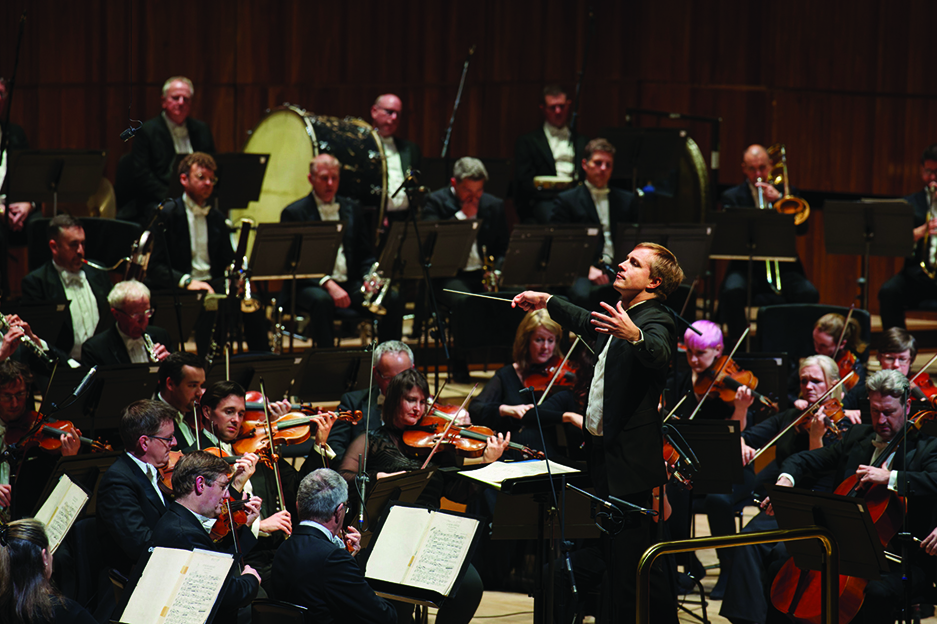
도이치 그라모폰(DG)에서 발매된 독일 밤베르크 심포니 오케스트라와 지휘자 야쿠프 흐루샤(1981~)의 마르티누 교향곡 음반으로 시작해보자. 성인이 된 이래로 내 생의 절반은 이 음반을 기다려왔다 해도 과언이 아니다. 30대에 들어 나의 취향 목록에 들어온 체코 작곡가 마르티누는 모차르트처럼 다작하면서도, 유려한 선율미를 지닌 400여 작품을 발표했다. 그의 악보에서는 단 한 개의 음도 불필요하게 늘어지는 법이 없다. 모든 교향곡이 조소와 비애 섞인 특유의 주선율을 품고 있어 오선지 위에 펜을 들었던 그 어느 작곡가의 소리보다 독특하다. B-A-C-H, D-S-C-H(편집자 주_각각 바흐와 쇼스타코비치를 상징하는 음형)처럼 마르티누 역시 악보에 자신만의 음악적 표식을 남겼는데, 이 표식은 첫 번째 교향곡 도입부에서부터 귀를 사로잡는다.
전쟁이 한창이던 시기, 미국에서 작곡된 교향곡 네 곡은 선과 악의 투쟁을 따라간다. 그중 두 작품은 손톱을 물어뜯을 수준의 절망감을, 나머지 두 작품은 해방에 대한 희망을 노래한다. 교향곡 5번은 고양되는 기쁨을 다소 허락하고, 6번에서는 프랑스 리비에라 지역을 배경으로 고국 체코슬로바키아가 소련의 영향권에 놓인 현실을 애도한다. 이 교향곡 연작은 근대사를 음악적으로 생생하게 그려내며, 분노로 그을렸다가도 음악적 위안으로 달래진다. 마르티누는 쇼스타코비치 못지않은 교향곡 계의 중요한 증인이다.
물론 클래식 음악 음반 차트에서 그를 찾기는 어렵다. 마르티누는 현란한 몸짓을 내세운다거나 현악기에만 집착하지 않는다. 그의 관현악은 고상하고 감각적이다. 마르티누 교향곡 중 한 가지만을 꼽으라면 교향곡 4번을 택하겠지만, 내 마음은 꾸밈없는 1번과 느긋한 6번 사이를 오가며 갈대처럼 휘청일 수밖에 없다. 음반을 꼭 순서대로 들을 필요는 없다. 내키는 대로 듣다 보면 프로코피예프보다도 더 많은 집중이 필요할 수도 있지만 그럴 만한 가치는 충분하다.
나는 1988년 네메 예르비(1937~)가 지휘하는 밤베르크 심포니 연주에서 이 교향곡을 처음 들었다. 본래 밤베르크 심포니는 제2차 세계대전 종전 후 프라하 독일 필하모닉 출신 단원들을 중심으로 전후 고향을 떠나온 연주자들이 창단한 오케스트라다. 방대한 레퍼토리를 보유한 에스토니아인 지휘자 예르비는 열정은 넘쳤지만 이 분야에서는 유창한 소리를 내지 못했다. 이리 벨로흘라베크(1946~2017)가 지휘한 BBC 심포니의 또 다른 음반에서는 지휘자가 내뿜는 불꽃을 오케스트라가 따라가지 못했다. 그러나 벨로흘라베크의 수제자 야쿠프 흐루샤는 밤베르크 심포니를 완전하게 지휘하며 완전히 새로운 결과를 보여주었다. 지금까지 네 번이나 들은 음반이다.
소비자 주의: 이 앨범이 모두의 취향에는 맞지 않으리라 미리 경고한다. 왠지 모르게 교향곡 3번의 라르고나, 6번 마지막 부분에 거부감을 느꼈다면 다른 취미를 찾거나 이비인후과에서 진료라도 받기를 권한다. 손해 볼 건 없지 않겠는가? 올해 당신이 본 적 없는 새 음반에 딱 한번 투자할 수 있다면, 바로 이 음반이다.
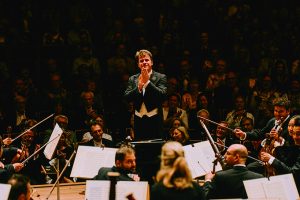
야쿠프 흐루샤
낯선 매력을 지닌 알캉의 오르간
다음으로, 대다수는 들어본 적 없을 알캉의 오르간 작품 전집이 시그넘(Signum) 레이블에서 발매됐다. 쇼팽과 리스트의 시대를 살았던 샤를 발랑탱 모랑주(편집자 주_알캉은 모랑주 대신 사용한 예명이다)는 모두가 두려워하던 피아니스트였다. 가공할만한 기교의 소유자 알캉이 작곡한 작품은 오직 본인만이 정확한 속도로 연주할 수 있었다.
친우였던 쇼팽이 세상을 떠난 후 모든 것이 무너져 내렸다. 음악원의 피아노 주임교수 자리를 얻지 못한 알캉은 본인의 집으로 물러나 20여 년간 은둔했다. 마침내 그가 다시 모습을 드러냈을 때는 타의 추종을 불허하는 그 모습을 눈에 담기 위해 위대한 피아니스트들이 늦은 밤 연주회에 모여들었다.
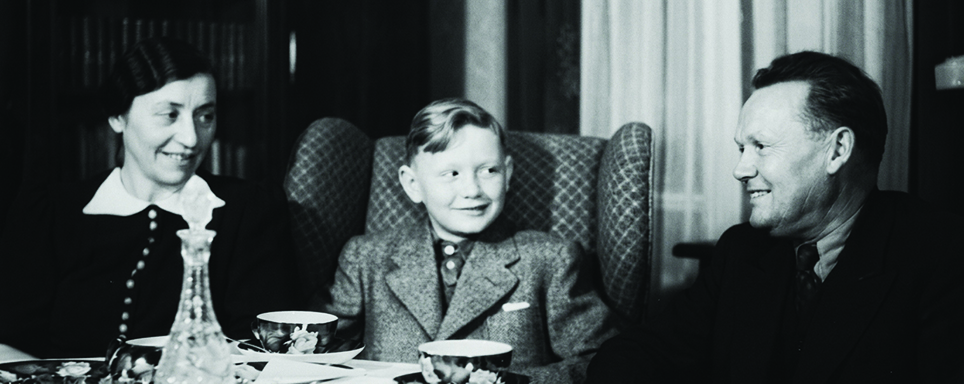
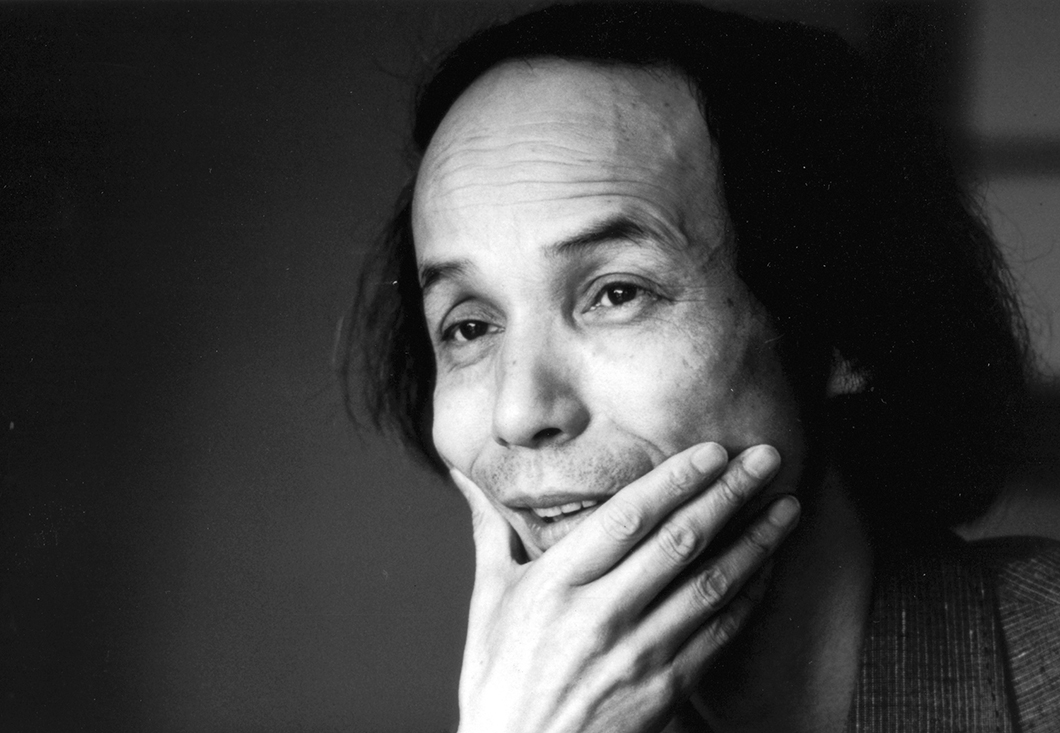
알캉은 젊은 시절에 파리 나사렛 거리의 로스차일드 유대교 회당에서 오르간 연주자로 몇 주간 일한 적이 있다. 이번에 호주 출신 피아니스트 조셉 놀런(1974~)이 알캉의 오르간 작품을 녹음하며 놀라운 결과를 내놓았다.
‘11개의 대전주곡과 헨델 메시아 편곡’ 세트는 원곡을 쓴 인물로부터 달아나 알캉 식의 블록버스터로 떠나버린다. 전주곡 7번 ‘유대인 풍으로’는 회당 예배를 위해 작곡된 듯하나, 10번에는 하시디즘 유대교(편집자 주_18세기 초 동유럽 지역에서 유래한 유대교의 한 종파, 성속일체와 고대 율법을 강조하여 엄격한 집단생활과 배타주의를 추구한다)의 외설적인 춤곡 요소가 들어있어 모든 곡이 공식적인 예배용 오르간 연주라고 보기엔 무리가 있다. 마틴 루터의 찬송가 ‘내 주는 강한 성이요’를 즉흥 연주한 15분짜리 곡은 기독교 개혁에 대한 가장 불온한 접근 방식으로 보일만큼, 기발함과 즐거움으로 가득하다. 놀런은 본인만의 색이 뚜렷한 다재다능한 오르간 연주자며, 이 음반은 단연 독보적이다. 이런 음반은 또 없다.
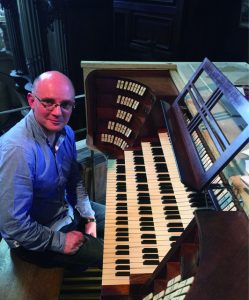
조셉 놀런
수수께끼를 풀어낸 유일한 지휘자
마지막은 온딘(Ondine) 레이블에서 나온 세기의 음반, 시벨리우스 전집이다. 마지막 작품에서부터 거슬러 올라가보자. 교향곡 7번은 시벨리우스 교향곡 중에서도 가장 이해하기 어려운 작품이다. 1924년 핀란드가 러시아로부터 독립하고 피비린내 나는 내전을 겪은 시기에 쓰인 이 곡은 단악장으로 연주 시간이 20분도 채 되지 않는다. 예순을 앞둔 시벨리우스가 자기 확신이 부족했거나 혹은 확신 자체를 포기해 버렸는지, 곡은 상행음계로 시작하여 전작들의 선율에 의지한다. 극소수의 지휘자들만이 이를 제대로 이해할까 말까다.
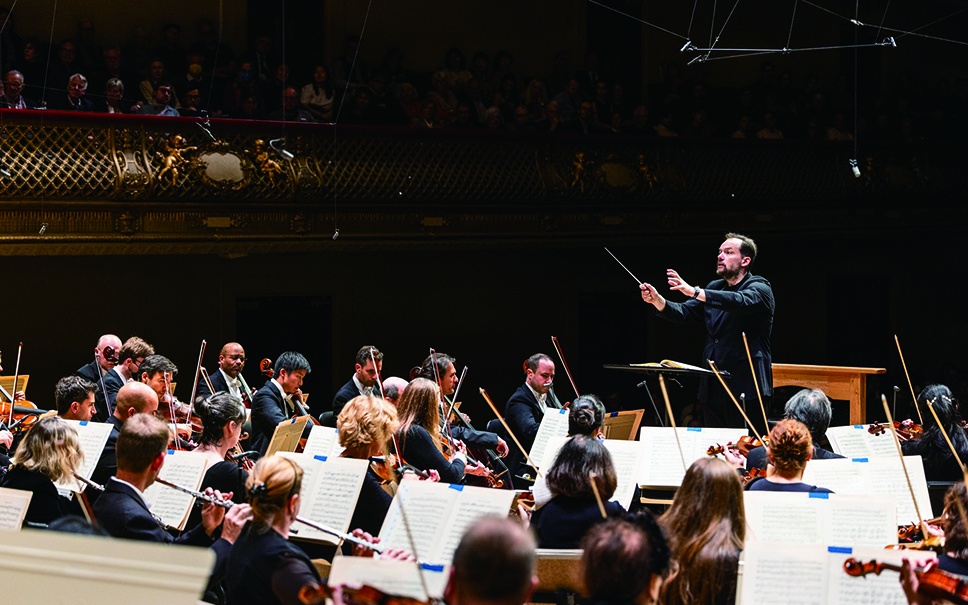
유카 페카 사라스테(1956~)는 이 절망스러운 수수께끼 같은 곡을 처음으로 풀어낸 지휘자다. 어느 늦은 밤, 독일 라디오 방송에서 흘러나온 명징하고도 도전적인 그의 해석은 그간 내가 들었던 모든 시벨리우스 연주를 가려버렸다. 카야누스, 카라얀, 비첨, 바비롤리, 콜린 데이비스와 앤드루 데이비스, 번스타인, 마젤, 래틀, 베르클룬드 모두를 말이다. 수많은 거장들 사이에서 사라스테만이 제대로 이해한 것이다. 이 헬싱키 필하모닉 오케스트라 음반을 통해 그는 이 사실을 더욱 확실하게 보여준다. 덕분에 나는 시벨리우스 교향곡 7번을 그 어느 때보다 사랑하게 되었다.
올해 70세가 된 (유카 페카) 사라스테는 지휘계의 또 다른 페카, 에사 페카 살로넨보다는 조용한 행보를 보이며 캐나다 토론토, 노르웨이 오슬로, 독일 쾰른을 거쳐 고향인 핀란드에서 음악감독으로 활동 중이다. 야단스럽지 않은 헬싱키 필하모닉 오케스트라는 순록 우유처럼 자신들에게 익숙한 그의 음악을 직감적으로 받아들였다.
교향곡 7번을 제외하더라도, 국가적 시련에 대한 사려 깊은 성찰을 담고 있는 6번, 기분 좋은 전원풍의 3번, 상당한 설득력으로 어떻게 차이를 만들어 냈는지 궁금해지는 2번과 5번까지. 진정한 시벨리우스를 만나고 싶다면 바로 이 음반이 정답이다.
번역 evener
Norman Lebrecht Column
노먼 레브레히트 칼럼의 영어 원문을 함께 제공합니다.
본 원고는 본지의 편집 방향과 일치하지 않을 수 있습니다.
It may be a few months early for me to choose the year’s best, but three releases have literally moved the needle. I believe they will stand the test of time and, as such, must be considered the records of 2026.
Start with the symphonies of Bohuslav Martinu played by the Bamberg Symphony, conductor Jakub Hrusa on Deutsche Grammophon. It’s no exaggeration to say that I’ve been waiting for this album half my adult life. The Czech composer Bohuslav Martinu is a taste I acquired in my 30s. As fertile as Mozart and no less melodic, Martinu published 400 works. None of his scores is one note loo long. Each symphony bears his wry, wistful signature theme, as distinctive a sound as any composer who ever put pen to stave. Like B-a-c-h and D-s-c-h, Martinu laid his identity on the line. In the very first symphony it strikes the ear in the opening bars.
Composed in wartime America, the next four symphonies follow the struggle between good and evil, two in nail-bitten frustration, the next two in hope of liberation. The fifth symphony permits a measure of exaltation. The sixth sits on the French Riviera, mourning the Soviet occupation of his Czech homeland. The cycle is a graphic musical record of modern history, seared by rage, eased by musical balm. Martinu is as important symphonic witness as Shostakovich.
You won’t find him in the classical charts. He does not do big gestures or stringed hysteria. His orchestral music is civilised, as well as sensuous. If I have a favourite symphony it is probably the fourth, but I can be swayed towards the austere first or the more languorous sixth. Listening does not have to be sequential. Dip in and out. You may need to listen a bit harder than with, say, Prokofiev, but it’s worth it.
I first heard the symphonies in a 1988 Neeme Järvi set, performed with the Bamberg Symphony, an orchestra originally composed of post-1945 Czech-German refugees. Järvi, an Estonian, had a huge repertoire and, though committed, did not sound much fluent in this language. There was another set by Jiri Belohlavek with the BBC Symphony, where the orchestra failed to match the conductor’s fire. Here, Jakub Hrusa, Belohlavek’s star pupil conducts the authentic Bamberg Symphony and the results are transformational. I have listened four times, so far.
Consumer warning: it is not for all tastes. If you somehow find yourself resistant to the Largo of the third symphony or the closing pages of the sixth, you should probably find another hobby, or a consultant otolaryngologist. No harm down. But if you make only one investment this year in music you don’t already know, make it this album.
Then we have the complete organ works of Alkan, many unheard, on the Signum label. In the age of Chopin and Liszt, Charles-Valentin Morhange (known as Alkan) was the pianist they all feared. So formidable was his technique that only Alkan could perform the works he composed at the correct speed.
After Chopin died, things fell apart. Rejected as head of piano at the Conservatoire, Alkan retired to his apartment and lived as a hermit for twenty years. When he finally emerged, all the great pianists attended his late-night recitals for a glimpse of the unattainable.
For a few weeks as a young man Alkan was organist at the Rothschild synagogue on rue Nazareth. An Australian pianist, Joseph Nolan, has recorded Alkan’s organ works with awesome results.
A set of ‘11 grand preludes and transcription of Handel’s Messiah’ takes leave of the original composer and breezes off into an Alkan blockbuster. The seventh prelude ‘alla giudesca’ seems to be intended for synagogue worship and the 10th has elements of ribald Hasidic dance, altogether alien to the organ of a formal place of worship. Alkan’s 15-minute extemporisation of Martin Luther’s hymn ‘A Mighty Fortress’ is possibly the least reverent approach to the Christian Reformation ever imagined, full of quirks and fun. Nolan is a versatile organist with a mind of his own and this album is categorically in a class of its own. Nothing like it anywhere on record.
Finally, there’s the Sibelius set of the century, from Ondine.
Starting from the end, the seventh is the least explicable of the Sibelius symphonies. Written in 1924, when Finland had won independence from Russia and fought a bloody civil war, the one-movement symphony lasts less than twenty minutes. Sibelius, turning sixty, is either giving up or running out of self-conviction. The symphony opens with an ascendant scale and falls back on clips from its predecessors. Few conductors come close to getting it right.
Jukka-Pekka Saraste was the first I ever heard make sense of this frustrating enigma. Heard on late-night German radio, his interpretation eclipsed, in clarity and challenge, every Sibelian I ever heard – Kajanus and Karajan, Beecham and Barbirolli, Colin and Andrew Davis, Bernstein, Maazel, Rattle, Berglund. Amid all these eminences, Saraste just gets it. And in this Helsinki Philharmonic recording, he gets it even more. I have never loved the seventh symphony as much as I do now.
Saraste, 70 this year, had a lower-key career than his Pekka-alike friend, Salonen, working as music director in Toronto, Oslo, Cologne and back home. The Helsinki Philharmonic, never a showy orchestra, respond intuitively to music they know like reindeer’s milk.
The seventh symphony aside, the sixth comes over as a thoughtful reflection on national turmoil, the third is pleasurably pastoral and the second and fifth are so persuasive you wonder how they could ever be done differently. If it’s the real Sibelius you’re after, this is it,
글 노먼 레브레히트
영국의 음악·문화 평론가이자 소설가. ‘텔레그래프‘지, ‘스탠더즈‘지 등 여러 매체에 기고해왔으며, 지금 이 순간에도 자신의 블로그(www.slippedisc.com)를 통해 음악계 뉴스를 발 빠르게 전한다