노먼 레브레히트 칼럼 | SINCE 2012
영국의 평론가가 보내온 세계 음악계 동향
교향곡 시대는 끝난 것일까?
쇠락의 서사 너머, 아직 끝나지 않은 ‘장르의 가능성’을 바라본다

프란츠 요제프 하이든
드미트리 쇼스타코비치
인도 뭄바이의 타들어 가는 폭염 속에서 시벨리우스를 듣는 경험은 내게 교향곡이 지닌 사회적 침투력과 도달력의 한계에 관한 생각을 불러일으켰다. 주변 관객은 클래식 음악에 익숙하지 않았으며, 동시대를 대변한다 할 만한 교향곡이 나온 지도 벌써 한 세기가 지났다. 계산해 보니 새로운 교향곡이 마지막으로 대중을 사로잡았던 게 35년 전이다. 이제 나는 관현악을 움직이는 동력이 마침내 멈춰버린 것은 아닌지 고심하게 되었다.
시벨리우스는 자신의 교향곡을 ‘청명하고 차가운 샘물’이라 기술하고, 다른 작곡가의 교향곡에 대해 ‘모든 빛깔과 표현이 뒤섞여 제조된 칵테일’이라 말한 바 있다. 대표적인 칵테일 바텐더 구스타프 말러는 교향곡에 모든 것이 담겨야만 한다고 응수했다. 전자는 소박하고 후자는 탐구적이었으며 양측 모두 특정 관객층의 선호를 충족했다. 과거 위대한 교향곡 작곡가들은 관객의 성향을 잘 파악했다. 그런데 어디서부터 꼬인 것일까?
교향곡, ‘식탁’에서 ‘역사’의 한가운데로
하이든은 본래 교향곡을 저녁 식사와 춤 시간 사이의 미묘한 사교적 공백을 채우기에 걸맞은, 부유한 상류층을 위한 가벼운 오락용 음악으로 창시했다. 이어 베토벤이 등장해 이러한 가벼움을 날려버리고 ‘웅장한’ 표현을 선보였다. 그의 선언은 다음과 같다. “음악은 모든 지식과 철학보다 더 높은 계시다.”
베토벤 이후로 새로운 교향곡에는 계시에 대한 기대가 따르게 되었다. 이때는 또한 괴테가 ‘친화력’을 발표하고, 발자크가 ‘인간 희극’을 그려내고, 디킨스가 ‘올리버 트위스트’에서 하층민의 삶을 드러내며 문학 소설이 태동하던 시기이기도 했다. 인도에 대한 나의 열망이 작가 키플링·포스터·나라얀·루슈디·프라워 자브발라·비크람 세스로부터 비롯된 것처럼 소설은 미지의 세계에 대한 안내자가 되어주는 반면, 우리의 의식을 빚어내는 교향곡은 매우 적고 드물다.
그래도 찾아보면 열 손가락으로 꼽아볼 수는 있다. 하이든의 교향곡 ‘고별’(1772)은 음악가에게 능동적인 권력을 쥐여 주며 원한다면 무대를 떠날 수 있는 기반을 마련해주었다. 베토벤은 ‘영웅’(1803)을 나폴레옹에게 헌정하려 했으나, 결국 권력의 무상함에 대한 작품으로 변경했다. 그는 귀족들이 도시를 떠난 금요일 밤, 교향곡 9번을 초연하며 대중에게 평등에 대한 꿈을 불러일으켰다.
반세기가 지난 뒤인 1876년, 요하네스 브람스가 베토벤 교향곡 9번을 상기시키는 동시에 산업화로 인한 인간성 상실과 오페라적인 과대망상을 내다보며 교향곡의 중추적 역할을 재차 확인시켰다. 브람스 교향곡 1번의 절정인 웅장한 선율은 영광보다는 의심을 설파하며 동시대 리하르트 바그너의 오페라 ‘니벨룽의 반지’보다 더 많은 진실을 담아낸다.
차이콥스키의 ‘비창’은 죽음이란 무엇인지를 보여주고, 말러의 ‘부활’이 죽음 그 이후를 제시하며, 안토닌 드보르자크가 미국 땅에서 구상한 최초이자 유일한 걸작에서 오늘날까지도 만연한 ‘신세계’의 민족적 경계를 탐구했던 1890년대, 교향곡은 정점을 찍었다.
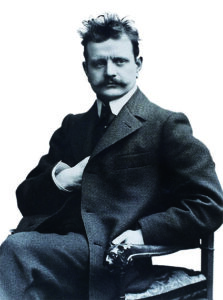
장 시벨리우스
시벨리우스는 자신의 두 번째 교향곡(1901~1902)에서 국가를 창조해 냈다. 그의 교향시 ‘핀란디아’는 핀란드인들을 러시아와 스웨덴에 대한 종속으로부터 일깨웠으며, 교향곡 2번은 언어와 문화에 기반한 독립을 주장했다. 핀란드에서 이렇게 웅장한 교향곡이 나올 수 있다면 세계는 핀란드를 하나의 독립된 국가로 인정할 수밖에 없다.
제1차 세계대전 당시부터 전후까지 레마르크·헤밍웨이·솔제니친의 소설이 참상을 다루는 데 성공한 것과 달리 교향곡은 이를 제대로 표현해 내지 못했다. 반면, 제2차 세계대전 중에는 이 실패를 뒤집으며 영국과 미국의 오케스트라는 레닌그라드가 봉쇄됐던 시기에 쇼스타코비치가 써낸 교향곡을 초연할 권리를 놓고 싸웠다. 이에 따라 그의 교향곡 7번은 승리를 예측하는 신탁의 지위를 누리게 되었다(공습으로 파괴된 런던에서는 랄프 본 윌리엄스의 교향곡 5번이 비슷한 역할을 했다).
사회의 유의미한 효력을 다한 교향곡
다시 평화가 찾아오자, 교향곡은 쇠락의 길을 걸었다. 쇼스타코비치가 교향곡 15번까지 작곡을 이어가는 동안 다른 작곡가들은 쇤베르크를 따라 난해한 금욕주의로 향하거나 번스타인의 극 속으로 흘러 들어갔다. 이들에겐 더 이상 교향곡의 계보를 따라야 할 의무가 없었다. 교향곡 작곡을 지속한 것은 대개 핀란드인과 슬라브인이었는데, 다작했음에도 불구하고 안타깝게도 소수에게만 환영받았다. 반면 소설은 그라스·말로·스타인벡·그린·업다이크·필립 로스·우엘벡·에이미스·맨텔·페란테·프랜즌·롤링 등 세대를 거듭하며 신선함을 이어갔다.
세기말이 되어서야 존 코릴리아노가 에이즈 희생자를 추모하는 조각보를 엮어낸 교향곡, 그리고 나치 치하의 회상이 형언할 수 없이 현대적인 느낌을 자아내며 백만 장 이상 팔려나간 헨리크 구레츠키의 ‘슬픔의 노래’가 그나마 교향곡이 살아나는 듯한 징후를 보였다.하지만 그 뒤로는 쉽게 찾아볼 수 없다. 9·11 테러와 이후 지속된 여파에 있어 일관성 있는 교향곡도, 코로나19의 사회심리적 영향에 대한 교향곡도, 가상현실이나 진실 공방을 다룬 교향곡도 없었다. 최근 필립 글래스는 도널드 트럼프 대통령의 워싱턴 케네디 센터 점거에 항의하며 예정된 교향곡 15번의 초연을 취소했지만, 이는 단지 ‘교향곡’이라는 단어가 신문 헤드라인을 장식한지 얼마나 오랜 시간이 흘렀는지 알려주는 역할만 했을 뿐이었다. 89세의 글래스가 미국의 현 시국에 대한 비문을 전한 것일지도 모르나, 오늘날 교향곡이 공식적으로 마침내 공적 광장으로서의 효력을 다했다는 결론만은 명백하다.
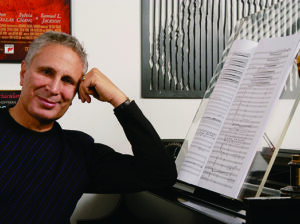
존 코릴리아노

헨리크 구레츠키
동쪽에서 떠오르는 교향곡의 일출
정말 그럴까? 에어컨 덕분에 쾌적한 뭄바이 공연장에서 인도 교향악단의 시벨리우스 교향곡 2번 연주를 들으며 나는 교향곡을 아예 처음 듣거나 이 곡을 처음 듣고 있는 주변 관객의 입장이 되어 들어보려 했다. D장조의 첫 악장은 동트기 전 수련이 피어나듯 시작되며, 다음 악장에서 선율은 침울한 분노로 방향을 튼다. 3악장에서 벌이는 시간과의 격렬한 사투는 베토벤 풍의 희망과 영광으로 가득한 피날레 악장에 이르러 해소된다. 관객을 기립하게 만든 이러한 피날레는 내가 런던의 공연장에서 오랫동안 본 적 없는 모습이었다.
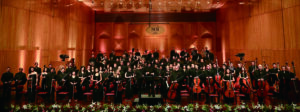
인도 교향악단
인도는 교향곡을 절대 당연시하지 않는다. 인도의 유일한 교향악단은 짧은 두 시즌만 활동하며, 이 희소성은 감탄과 몰입의 기회를 낳는다. 서방 세계에서 교향곡은 그 명맥이 거의 끊어졌을지 몰라도, 동쪽에서는 이제 막 떠오르고 있다.
번역 evener
노먼 레브레히트 칼럼의 영어 원문을 함께 제공합니다.
본 원고는 본지의 편집 방향과 일치하지 않을 수 있습니다.
Listening to Sibelius in the hundred-degree heat of Mumbai set me thinking about the limits of symphonic penetration. Not just on an audience unfamiliar with the western canon but on a century that has yet to yield a symphony that speaks to our times. It is, by my reckoning, 35 years since a new symphony last captured a mass audience. I am starting to wonder if the engine of orchestral music has not finally run out of fuel.
Jean Sibelius described his symphonies as ‘clear, cold water’. Others, he said, ‘manufactured cocktails of every hue and description’. Gustav Mahler, a cocktail man, responded that the symphony must contain everything. Each man appealed to a distinct public, one austere, the other exploratory. Great symphonists knew the nature of their listeners. So what went wrong?
Joseph Haydn originally invented the symphony as light entertainment for landed gentry, perfect for the awkward social interval between dinner and dance. Beethoven came along and blew away triviality, offering ‘gigantic’ statements. ‘Music is a higher revelation than all wisdom and philosophy,’ he proclaimed.
From Beethoven on, a new symphony was anticipated with the expectation of revelation. This was, too, the dawn of the literary novel when Goethe asserted Elective Affinities, Balzac conceived La comédie humaine and Dickens exposed underworlds in Oliver Twist. Yet while the novel became our guide to the unknown – my craving for India was formed by Kipling, Forster, Narayan, Rushdie, Prawer Jhabvala, Vikram Seth – the symphonies that shaped our awareness are few and far between.
Count them. On two hands.
Haydn’s Farewell Symphony (1772) gave musicians agency, allowing them to leave when they liked. Beethoven conceived the Eroica (1803) as an ode to Napoleon, only to reconfigure it as an essay on the transience of power. He gave his ninth symphony on a Friday night when the aristocracy were out of town so as to engender a dream of equality.
Half a century then passed before Johannes Brahms reaffirmed the symphony’s centrality, harking back in 1876 to Beethoven’s ninth and ahead to industrial dehumanisation and operatic megalomania. The apotheosis of Brahms’s first symphony, its big tune, delivers more doubt than glory, more truth than Richard Wagner’s contemporaneous Ring.
The symphony reached its summit in the 1890s when Tchaikovsky’s Pathétique showed us how to die, Mahler’s Resurrection suggested what came after and Antonin Dvorak, in the first and only symphonic masterpiece ever conceived on American soil, probed ethnographic divisions in the New World, prevalent to the present day.
Sibelius, in his second symphony (1901-2), invented a nation. While his tone poem Finlandia awoke Finns from subservience to Russia and Sweden, the second symphony made a case for independence based on language and culture. If Finland could produce a symphony of such magniloquence, the world would be obliged to recognise it as a nation that dwelled alone.
During and after the first world war, the symphony failed to address the catastrophe in ways that novels – by Remarque, Hemingway, Solzhenitsyn – would succeed in doing. The second world war overturned that failure to such a point that that orchestras in Britain and America fought for the first right to perform a symphony by Dmitri Shostakovich, written under siege in Leningrad. The seventh symphony held oracular status in predicting victory (in bombed-out London, the fifth symphony of Ralph Vaughan Williams served a similar purpose).
Once peace returned, the symphony declined. While Shostakovich kept going to number 15, others followed Schoenberg into abstruse asceticism or Bernstein into musical theatre. It was no longer incumbent on composers to toe a symphonic line. Those who persisted, mostly Finns and Slavs, were prolific and sadly esoteric. The novel, meanwhile, was renewed by one generation after the next – Grass, Malraux, Steinbeck, Greene, Updike, Philip Roth, and on to Houellebecq, Amis, Mantel, Ferrante, Franzen, Rowling.
Only at the century’s end did the symphony show signs of life with John Corigliano’s patchwork score for Aids victims and Henryk Mikolaj Gorecki’s million-selling Symphony of Sorrowful Songs, a reminiscence of Nazi tyranny that felt inexpressibly millennial.
And nothing since. There has been no coherent symphony on 9/11 and its enduring aftermath, nothing on the psychosocial effects of Covid, nothing on virtual reality and the assaults on truth. When Philip Glass recently withdrew his 15th symphony from Washington’s Kennedy Center, in protest at its takeover by Donald Trump, the gesture served chiefly to remind us how long it had been since the noun ‘symphony’ last appeared in a newspaper headline. Glass, at 89, may yet deliver an epitaph on the state of America, but it is hard to resist the conclusion that the symphony is now, formally and finally, played out as a public forum.
Or is it?
Listening to Sibelius’s second performed by the Symphony Orchestra of India in an air-conditioned auditorium in Mumbai, I tried to borrow the ears of those around me who were hearing this symphony – perhaps any symphony – for the first time. The D-major first movement opened up like a water-lily at dawn; the next phase veered from melody to morose rage. A third episode felt like a furious race against time, only to be resolved by a finale of such Beethovenian hope and glory that it brought the audience leaping to its feet in a way I have not witnessed in a London concert hall for a very long time.
India does not take a symphony for granted. The country’s only symphony orchestra has two short seasons. Scarcity breeds appreciation and an opportunity for self-immersion. The symphony may be almost dead in western waters. It is only just rising in the east.
글 노먼 레브레히트
영국의 음악·문화 평론가이자 소설가. ‘텔레그래프‘지, ‘스탠더즈‘지 등 여러 매체에 기고해왔으며, 지금 이 순간에도 자신의 블로그(www.slippedisc.com)를 통해 음악계 뉴스를 발 빠르게 전한다