노먼 레브레히트 칼럼 | SINCE 2012
영국의 평론가가 보내온 세계 음악계 동향
그토록 매력적인 안드리스 넬손스를!
최근 넬손스와의 결별을 예고한 보스턴 심포니 이사회의 모략
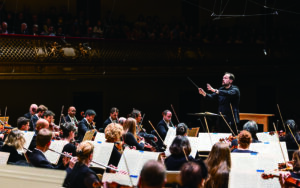
안드리스 넬손스/보스턴 심포니 ©Robert Torres
미국 보스턴에서 들려온 지휘자 계약 비갱신 소식은 과거 항구에서 고급 차(茶)를 상당량 바다에 쏟아 버린 ‘보스턴 차 사건’ 그 이상이다. 미국 건국 250주년을 맞은 올해 발생한 이 사건은 상징적이며 그 반발 또한 끊이지 않고 있다. 근본적인 가치가 극심하게 훼손되는 현재를 반영하는 듯 보인다.
보스턴에 행운처럼 나타난 신예
보스턴은 보스턴이다. 1630년 영국의 작은 마을 이름을 그대로 따와 이름 붙인 이 도시에서는 아일랜드인 무리를 피해 온 은행가들이 모여 살며, 매끄러운 악센트와 진기한 정중함을 함양해 거리를 깨끗하게 유지하고 정치인 대부분을 석방시켰다. 하버드 대학교에서 자전거로 갈 수 있는 위치에 자리한 보스턴 심포니홀은 팔라디오 양식의 입구와 완벽하디 완벽한 음향을 자랑한다.

안드리스 넬손스 ©Robert Torres
보스턴 심포니는 미국 오케스트라 중에서도 가장 모험을 즐기지 않는 편에 속하는데, 이점이 항상 도시 분위기와도 잘 맞았다. 작곡가 엘리엇 카터(1908~2012)는 어렸을 때 비상구 표시가 ‘브람스 연주 시 이쪽으로 대피’라는 의미인 줄 알았다고 내게 말한 적 있다. 오스트리아 빈에서 망명한 에른스트 크레네크(1900~1991)는 1938년 11월 어느 날 오후, 자신의 피아노 협주곡 초연에서 헨리 제임스 풍의 한 여성(편집자 주_헨리 제임스의 소설 ‘여인의 초상’의 주인공 이사벨처럼 사회적 관습을 탈피한 자주적인 여성)이 옆 사람에게 속삭이는 걸 들었다. “유럽에서의 상황이 퍽 끔찍했던 모양이야”. 오늘날까지도 보스턴 사람들은 배우 오드리 햅번의 문장을 인용하길 즐긴다. “심포니홀에서는 어떤 일도 잘못될 수 없어요.”
물론 나쁜 일은 때때로 생기곤 한다. 1950년대 지배 계층은 자국 출신 천재 지휘자인 레너드 번스타인을 깔보며 평범한 유럽인 지휘자를 선호했다. 1973년 비틀스 식 머리를 한 오자와 세이지가 음악감독으로 취임하며 상황은 변했다. 오자와는 중국, 일본 투어를 성공시키고 소니(Sony)의 동료들로부터 수백만 달러의 기부금을 받아왔다. 하지만 그는 단원들의 불만과 형편없는 연주 속에서 10년을 보냈고, 그 뒤를 이은 제임스 레바인은 이미 전성기를 지난 상태였고, 이후 성적 추문으로 명성이 무너졌다.
행운은 갑작스레 나타났다. 2011년 레바인의 자리를 꿰찬 젊은 라트비아인 안드리스 넬손스(1978~)는 말러 교향곡 9번으로 오케스트라와 관객 모두를 전율시켰다. 넬손스는 이전에 30분짜리 음향 테스트만으로도 영국 버밍엄시립교향악단을 사로잡은 바 있었다. 버밍엄의 음악가들은 그 덕분에 월요일 아침조차도 즐거웠다고 말했다.
그는 결점도 상쇄하는 매력적인 지휘자였다
2014년 보스턴에 합류할 즈음 넬손스는 차이콥스키·말러·시벨리우스·쇼스타코비치의 열렬한 해석자였다. 그는 친근하고 가식 없는 동시대 사람이자, 아이가 태어났을 때 육아휴직을 쓴 최초의 남성 지휘자로 젊은 대중에게도 반향을 일으켰다. 무엇보다 그는 스케르초에서 춤추듯 형언할 수 없는 신비로움과 온몸으로 소통하는, 뼛속까지 음악가였다.
그의 영어가 유창해지면서 지적인 한계가 드러났다. 넬손스는 다독을 하지도, 특출나게 탐구적이지도 않았다. 그는 오페라 ‘로엔그린’ 리허설 휴식 시간에 맥주잔을 들고 바이로이트산 소시지를 먹는 것만으로도 세상에서 가장 행복한 사람이었다. 하지만 그가 몸담은 분야에서 뛰어난 지성을 지닌 이들은 그리 많지 않았고, 넬손스는 지식과 미식의 부족함을 무궁무진한 매력으로 만회했다. 보스턴에서 그가 처음으로 한 일은 펜웨이 파크 경기장에서 레드삭스 팀의 시구자로 나선 것이었다. 실로 매력적이지 않은가?
심포니홀에서 넬손스는 요나스 카우프만을 데려와 그가 무대에서 한 번도 시도하지 않았을 바그너 오페라를 제안했고, 구소련의 마지막 기적인 훌륭한 작곡가 소피아 구바이둘리나를 포용했다. 넬손스 덕분에 보스턴 심포니는 그 음악과 명성으로 세계적으로 유통되는 주요 음반 계약을 유지한 미국 오케스트라 가운데 하나로 거듭났다. 음반은 뛰어났고 음악가들은 새로운 자부심으로 부풀어 올랐다. 경영진들이 고령화된 관객에 대해 불평하면 넬손스는 이렇게 답했다. “아마 클래식 음악은 상대적으로 늦은 나이에 끌리나 봅니다. 공연을 찾는 노인 관객들의 문제가 아니라요”. 당시의 현실과 반하는 이 말은 시류가 바뀌자 넬손스 본인의 죄목으로 추가된다.
코로나19 이후 많은 이용자가 발걸음을 끊었고, 이사회는 방안을 요구했다. 한편 넬손스는 독일 라이프치히 게반트하우스의 상임지휘자 직을 병행하기 시작했다.
이사회는 독설로 유명한 LA필 출신 부사장을 영입해 판을 흔들었으나, 그녀가 판을 너무 흔든 나머지 18개월 만에 판에서 사라졌다. 이에 굴하지 않고 이사회는 LA필 출신의 두 번째 부사장 채드 스미스를 고용했다. 그는 넬손스의 구닥다리 방식에 참을 수 없다며 공공연하게 의견을 드러냈다. 스미스가 원한 것은 보다 동시대적 방향성을 강하게 공유할 수 있는 지휘자였던 것으로 보인다. 수년 전 ‘뉴욕 타임스’ 비평가에게 넬손스가 내리막길을 걷고 있다고 언급하며 넬손스의 무기한 계약을 갱신형 계약으로 바꿨던 스미스는 바로 몇 주 전, 다음 시즌이 그의 마지막이 될 것이라 공표했다.
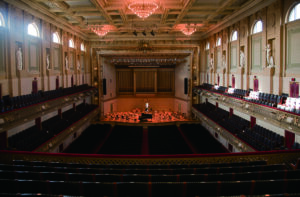
보스턴 심포니홀 ©Joseph Sohm
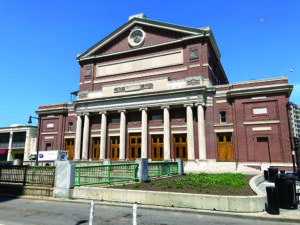
보스턴 심포니홀
전례 없는 결별 결정과 후폭풍
이번 사건(계약 비갱신)은 전례가 없는 일이다. 단원 모두의 지지를 받고 있는 음악감독을 향한 이번과 같은 사례는 내 평생 한 번도 본 적이 없다. 점입가경인 건 이번 일이 훌륭한 경영보다 훌륭한 예의가 중시되는 보스턴에서 일어났다는 점, 보스턴 심포니가 마치 다루기 어려운 폴 댄서를 대하는 뉴올리언스 나이트클럽 주인처럼 행동했다는 점이다.
이사회는 보스턴 심포니가 지난 20년간의 관객 감소와 재정 악화로 ‘위기’에 처한 상황이라며 성명을 발표했다. 하지만 이는 지휘자의 잘못이라 볼 수 없다. 자세히 살펴보면 보스턴 심포니는 이미 상당한 기부금으로 7억 달러를 쌓아두고 있으며, 이는 앞으로 반세기 간 공연장이 텅 비어 있어도 연주가 가능한 금액이다. 결국 돈 때문이 아니란 말이다.
충격에 휩싸인 단원들은 공연 의상 차림으로 찬바람을 뚫고 심포니홀 계단 앞으로 나와 TV 카메라 앞에서 눈물을 흘리는 마에스트로를 껴안았다. 베를린 필하모닉은 넬손스에 대한 ‘깊은 존경’을 전하며 단원들과의 연대를 표명했다. 보스턴 엘리트들의 아침 식사 친구인 ‘글로브’는 솔직한 답변을 요구하는 직설적인 사설을 게시했다. 해당 사설에서는 오케스트라가 산산조각 나고 있다고 말하며 이렇게 덧붙인다. “대체, 무엇을 위해서인가?”
미국의 현 상태를 생각해보자. 백악관에 있는 대통령은 변덕과 악의를 바탕으로 통치를 하고 있으며, 이제는 상황이 바뀌었다. 문명의 상징인 교향악단의 가치가 바닥에 떨어졌고, 교양의 성지 보스턴은 야만인들에게 포위당했다. 현대판 보스턴 차 사건이나 다름없다. 부디 신이시여, 미국에 축복을.
번역 evener
Norman Lebrecht Column
노먼 레브레히트 칼럼의 영어 원문을 함께 제공합니다.
본 원고는 본지의 편집 방향과 일치하지 않을 수 있습니다.
The dismissal of a conductor in Boston is more than just a load of posh tea dumped in the harbour. Coming as it does in America’s 250th anniversary year, the act is emblematic and its backlash unending. It seems to reflect an acute erosion of foundational values.
Boston is Boston. Named in 1630 after a little English town and ruled by bankers who shunned the Irish masses, Boston cultivated a glassy accent and a quaint courtesy that kept the streets clean and the mayors (mostly) out of jail. Symphony Hall, a bike-ride from Harvard University, has a Palladian portal and an in-perfect acoustic.
The Boston Symphony is the least adventurous of US orchestras, which has always suited Boston just fine. The composer Elliott Carter told me that, when he was a boy, the exit signs meant ‘this way if they play Brahms’. The Viennese exile Ernst Krenek, at a November 1938 afternoon premiere of his piano concerto, heard one Henry Jamesian lady whisper to another: ‘Conditions in Europe must be dreadful’. To this day, Bostonians like to quote an Audrey Hepburn line: ‘Nothing can go wrong in Symphony Hall’.
Except it has, and for some time. Back in the 1950s, the ruling classes passed over homegrown genius Leonard Bernstein in favour of humdrum Europeans. Amends were made in 1973 with the appointment of Beatle-topped Seiji Ozawa, who fixed tours to China and Japan and earned millions in donations from his tech bros at Sony. But Ozawa stayed one decade too many amid player discontent and some pretty shoddy playing. His successor, James Levine, was way past his sell-by and dogged by a history of sexual predation.
Fortune suddenly smiled. Jumping in for Levine in 2011 a young Latvian, Andris Nelsons, electrified orchestra and audience in Mahler’s ninth symphony. Nelsons had previously captured the City of Birmingham Symphony on the strength of a half-hour acoustic test. Brummie musicians said he made Monday mornings feel like fun.
By the time he joined Boston in 2014 Nelsons was an exciting interpreter of Tchaikovsky, Mahler, Sibelius and Shostakovich. He was approachable, unpretentious and a man of his time – the first conductor to take paternity leave when his child was born, a scale of priorities that resonated with a younger public. Most of all, he was a musician from the toes up, dancing through his scherzos, physically communicating inexpressible mysteries.
As his command of English improved, intellectual limitations were noticed. Nelsons was not widely read nor particularly curious. He was happiest in a rehearsal break for Lohengrin with a stein of beer in his fist and a Bayreuth wurst leaking down his chin. But there are few great minds left in his profession and what Nelsons lacked in bibliography and gastronomy he made up for in boundless charm. One of his first acts in Boston was to throw the opening pitch for the Red Sox at Fenway Park. Tell me, what’s not to like?
At Symphony Hall, Nelsons recruited Jonas Kaufmann to attempt Wagner roles he would never act on stage. He embraced the venerable composer Sofia Gubaidulina, last of the post-Soviet oracles. Thanks to Nelsons, Boston was the only US orchestra with a record contract, its music and fame retailed the world over. The recordings were outstanding and the musicians swelled with renewed pride. When executives muttered about aging audiences, Nelsons said: ‘Maybe classical music appeals relatively late in life. There’s nothing wrong with old people coming to concerts.’ This cut against current truths and would be added to his sins when the wind turned.
After Covid-19, many subscribers never returned. The board called for an action plan. Nelsons had meanwhile taken a parallel job at the Gewandhaus in Leipzig.
The board recruited a tough-talking V-P from the Los Angeles Philharmonic to shake things up. She shook too hard and was gone in 18 months. Undeterred, the board hired a second V-P from the LA Phil, a man by name of Chad Smith who made no secret of his impatience with Nelsons’ old-world outlook. Smith wanted a more woke conductor. Having briefed a New York Times critic that Nelsons was on the skids, Smith changed his maestro’s contract from fixed-term to rolling. A few weeks ago, he announced that the next season would be Nelsons’ last.
The sacking was unprecedented. I cannot recall a single instance when a music director was fired while enjoying the unanimous support of the musicians. Worse, this is Boston, where good manners matter more than good management. Here was the Boston Symphony acting like a New Orleans nightclub owner with a recalcitrant pole-dancer.
The board issued a statement saying they faced ‘challenges’ of falling attendances and shrinking finances over the past 20 years. But these were hardly the conductor’s fault and, taking a closer look, the Boston Symphony had amassed an unrivalled $700 million in its endowment, enough for it to play to empty halls for the next half-century. It’s not about money.
The musicians, shocked to their ties and tails, came out in freezing winds to embrace a tearful Nelsons before TV cameras on the steps of Symphony Hall. The Berlin Philharmonic expressed ‘high esteem’ for Nelsons and solidarity with the musicians. The Globe, breakfast bible of Boston Brahmins, published a blunt editorial calling for ‘honest answers’. It said the orchestra was being torn apart, ‘and for what, exactly?’
Consider the state of the nation. In the White House, a president rules by caprice and malice. The tone has changed. The symphony orchestra, symbol of civilisation, is devalued. Boston, bastion of civility, is beset by barbarians. This is no tea-party. God bless America.
글 노먼 레브레히트
영국의 음악·문화 평론가이자 소설가. ‘텔레그래프‘지, ‘스탠더즈‘지 등 여러 매체에 기고해왔으며, 지금 이 순간에도 자신의 블로그(www.slippedisc.com)를 통해 음악계 뉴스를 발 빠르게 전한다